
The motorcycle salvage title process involves assessing damage, obtaining a salvage title, disassembling for part inspection, and navigating local regulations. Expert assessors guide owners through restoration options, ensuring legal compliance and fair pricing. Key steps include DMV consultation, thorough disassembly, documentation, and using services like Quick Auto Tags. This process promotes sustainability by giving new life to components while maintaining roadworthiness standards.
Damaged bikes are more than just a nuisance; they’re often a significant financial loss and a frustrating hurdle for any cyclist. If your motorcycle has seen better days, navigating the motorcycle salvage title process can seem daunting. However, hiring an expert in bike salvage offers a lifeline. These professionals possess the knowledge and skills to assess, restore, and sometimes even repurpose damaged bikes, turning them from write-offs into valuable resources. By enlisting their expertise, you gain access to a meticulously planned motorcycle salvage title process, ensuring not just a fair transaction but also sustainable cycling solutions.
- Understanding Motorcycle Damage Assessment
- Legal Requirements for Motorcycle Salvage Title
- Locating Reputable Motorcycle Salvage Yards
- The Expert's Role in Bike Restoration
- Step-by-Step Motorcycle Salvage Process
- Maximizing Value Through Proper Disassembly
Understanding Motorcycle Damage Assessment

Motorcycle damage assessment is a critical step in understanding the salvage title process for your damaged bike. When a motorcycle is significantly damaged or deemed a total loss, it often results in a salvage title—a marker that can impact its resale value and registration requirements. A professional assessor plays a vital role in this evaluation, examining every aspect of the vehicle to determine its condition and potential for repair.
The assessment involves a detailed inspection, considering both structural integrity and aesthetic appeal. Major components such as the frame, engine, transmission, and suspension are meticulously evaluated for any signs of damage or non-functionality. For instance, a cracked frame or a badly damaged engine might render the motorcycle unsafe to ride, leading to a declared salvage status. Assessors also look for signs of prior repairs, which can impact the overall value and feasibility of restoration efforts. In some cases, a significantly damaged bike may be deemed a total loss, with its parts either sold individually or recycled—a process known as “salvage-titled” vehicles.
While each situation is unique, understanding the motorcycle salvage title process can help owners make informed decisions. If your bike has suffered moderate to severe damage, it’s advisable to consult an expert assessor who can provide a clear picture of its current state and potential for repair. This knowledge enables you to choose between restoration, parts harvesting, or selling the vehicle as is, ensuring you receive a fair price based on market conditions and the salvage title status. For example, a bike that has been in a minor accident with reparable cosmetic damage might still hold significant value, whereas one with extensive structural issues may be more suitable for parts recycling. Convenient junk vehicle registration through services like Quick Auto Tags can streamline the process for those deciding to sell their salvaged bike.
Remember, accurate damage assessment is key to navigating the motorcycle salvage title process successfully. Engaging a professional ensures you have all the necessary information to make an informed choice, whether repairing and reselling or recycling the parts. By understanding the value of your damaged bike and its potential as a salvage-titled vehicle, you can decide on the best course of action for your unique situation.
Legal Requirements for Motorcycle Salvage Title

Before diving into salvaging your damaged bike, understanding the legal requirements, especially regarding the motorcycle salvage title process, is crucial. Each jurisdiction has its own set of rules governing salvaged vehicles, and navigating these can be complex. One key aspect to consider is whether the motorcycle has been sold at auction or is a salvage-titled vehicle—a distinction that significantly impacts the subsequent ownership and re-registration process.
In many cases, when a bike is deemed total loss by an insurance company, it’s marked for salvage. This doesn’t necessarily mean the end of its road; with the right expertise, these vehicles can be restored to their former glory. The motorcycle salvage title process involves obtaining a title from the relevant authorities, indicating that the vehicle has been repaired and is safe for operation. However, this isn’t always straightforward. Owners must ensure they comply with local laws, which may include inspections, documentation, and even specialized forms required for re-registration.
For instance, in some states, you might need to submit a detailed repair estimate and have the work approved by an authorized technician or inspector. Once these steps are completed, getting your salvage vehicle back on the road is generally no more complex than registering a standard car. This process can be streamlined with professional assistance—services like Quick Auto Tags offer specialized salvage vehicle re-registration support, ensuring you meet all legal requirements and get your restored bike registered promptly, usually within 1-3 business days. Remember, proper adherence to the motorcycle salvage title process not only ensures compliance but also allows you to proudly showcase your restored ride on the open road.
Locating Reputable Motorcycle Salvage Yards

Locating reputable motorcycle salvage yards is a crucial step in salvaging your damaged bike. With the right yard, you can acquire genuine parts at affordable prices, potentially saving you significant costs during the repair process. Start by researching online, where many salvage yards maintain active websites showcasing their inventory and services. Look for yards that specialize in motorcycles or have extensive experience handling them to ensure quality components.
When evaluating a yard, consider factors such as the condition of the bikes they carry, their warranty policies on salvaged parts, and whether they offer additional services like part cleaning and testing. Reputable yards will often provide detailed descriptions and high-quality images of their inventory, allowing you to inspect the state of each component before purchasing. Keep in mind that a salvage title or a rebuilt/reconstructed title indicates that the bike or its parts have been restored to safe operating conditions, making them suitable for part salvage or recycling purposes.
For instance, many yards now offer online platforms where you can browse their stock and even specify exact part numbers needed. This streamlined process has made acquiring salvaged motorcycle parts more accessible than ever. However, it’s essential to verify the authenticity of the titles associated with these vehicles, as some unscrupulous dealers may try to pass off junked or damaged bikes as salvageable. Reputable yards like Quick Auto Tags, for example, offer services that help you register a junk car easily, ensuring you obtain a clear title before purchasing any parts.
Before making a purchase, always inspect the parts yourself if possible and compare them with your bike’s specifications. This due diligence will ensure you leave with only what you need and avoid unnecessary expenses. Remember that salvaging a damaged bike not only saves money but also promotes environmental sustainability by giving new life to otherwise discarded vehicles and their components.
The Expert's Role in Bike Restoration
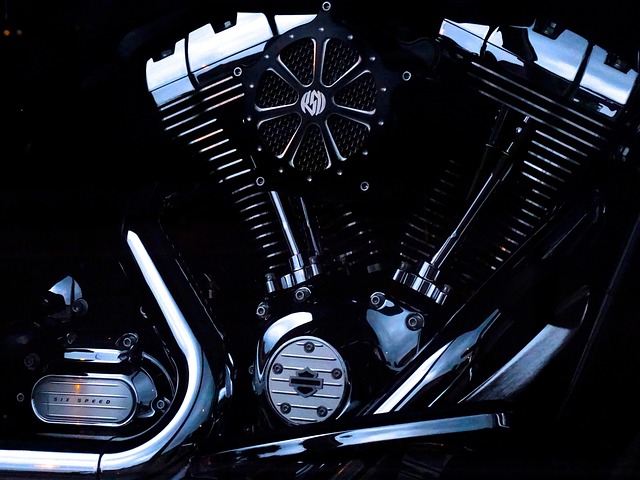
When your beloved motorcycle suffers damage, navigating the path to restoration can seem daunting. This is where an expert in motorcycle salvage steps in, offering invaluable knowledge and skills. Their role extends beyond mere repair; they guide owners through a meticulous process, ensuring these cherished vehicles find new life on the road. The expert’s expertise lies in understanding the intricate motorcycle salvage title process, a critical aspect often overlooked by enthusiasts. This involves acquiring a salvage or junked vehicle, which, with their help, can be transformed into a fully functional machine once more.
The journey begins with assessing the bike’s damage and determining its potential for restoration. The expert will evaluate structural integrity, engine functionality, and overall condition, providing a realistic outlook. Upon successful assessment, they facilitate the legal aspects, including obtaining a salvage title or a rebuilt/reconstructed title, which is essential for insurance purposes and re-registration. For instance, in many regions, a salvaged vehicle can be legally restored and returned to its former glory, albeit with certain requirements. The expert ensures compliance, enabling owners to re-register their junked vehicle seamlessly with authorized tags like Quick Auto Tags, eliminating legal hurdles.
Their role doesn’t end at paperwork; they mentor owners through the restoration process, offering tailored advice based on years of experience. From sourcing parts to providing tips for DIY enthusiasts, their guidance ensures the bike is not just repaired but restored to its former splendor. This meticulous attention to detail results in a vehicle that meets roadworthiness standards, allowing riders to enjoy their beloved motorcycles once again without compromise. By enlisting an expert, owners can get their salvage vehicle back on the road with ease, preserving not just a machine but a piece of their automotive heritage.
Step-by-Step Motorcycle Salvage Process

Motorscyclists often face the challenge of repairing a significantly damaged or what’s deemed a total loss bike. The motorcycle salvage title process can seem daunting, but with the right guidance, it’s possible to get your salvage vehicle back on the road with ease. Here’s a step-by-step breakdown designed to help you navigate this intricate procedure:
First, assess the extent of the damage. If the bike is declared a total loss by an insurance company or local authority, don’t automatically write it off. Many components can be salvaged and reused, significantly reducing restoration costs. Next, contact your local Department of Motor Vehicles (DMV) or equivalent body to inquire about the motorcycle salvage title process in your area. Each region has its own set of regulations and requirements, so understanding these from the start is crucial.
Once you have a clear understanding of the rules, it’s time to disassemble the bike. This step allows for a thorough inspection of each part, identifying those that can be repaired or replaced. Many salvage yards and experts recommend documenting this process with photos—they’re invaluable when sourcing parts or negotiating repairs. After disassembly, separate the components into three categories: repairable, replaceable, and scrap. This classification will guide your next steps, whether that’s repairing and rebuilding or replacing entire systems.
If your bike is deemed a total loss but still has valuable parts, consider Junk car re-registration help from Quick Auto Tags to get these back on the road legally. They specialize in assisting with the salvage title process, ensuring you meet all necessary requirements. For instance, they can handle paperwork, inspections, and even connect you with trusted repair facilities. Remember, a declared salvage bike isn’t always a lost cause—with the right expertise and resources, it could become a fully functional motorcycle again.
Maximizing Value Through Proper Disassembly

Proper disassembly is a critical step in maximizing the value of your salvaged motorcycle. When preparing your bike for resale or repurposing, understanding the intricate components and their condition is paramount. This meticulous process involves carefully taking apart the motorcycle, piece by piece, to assess each part’s viability for reuse or recycling. Every component, from the engine to the frame and electrical systems, deserves careful scrutiny.
Experienced experts in motorcycle salvage understand that disassembly allows them to accurately determine a vehicle’s condition, which is essential for obtaining a clean DMV salvage title processing through a licensed tag and title agency. A salvaged or junked vehicle can often be revived with proper attention, but not all parts will be reusable. This is where the expertise of professionals comes into play. They know how to separate usable from non-usable components, ensuring that only genuine, working parts are offered for sale or reused in other projects.
For example, consider a motorcycle frame—a critical component for any bike. If the frame has sustained significant damage but certain sections remain intact, a skilled technician can carefully disassemble it, repair or replace damaged areas, and reassemble it as good as new. This meticulous process not only increases the bike’s overall value but also ensures it meets the standards required to obtain a salvage title or a rebuilt/reconstructed title. By navigating this process correctly, you can transform what others might consider junk into a valuable commodity, whether reselling it as a whole vehicle or using its parts for other projects.
Remember, the motorcycle salvage title process is not just about selling damaged bikes; it’s about responsible recycling and repurposing. Quick Auto Tags, for instance, offers expert assistance in this area, ensuring that each step—from disassembly to processing the salvage title—is handled with precision and efficiency. This approach benefits both owners looking to recover value from their damaged vehicles and environmental efforts by promoting sustainable practices within the automotive industry.
By now, you’re equipped with a comprehensive understanding of the motorcycle salvage process, from damage assessment to maximizing your bike’s value. You know the legal requirements for obtaining a Motorcycle Salvage Title, and you’re familiar with navigating reputable salvage yards. Perhaps most importantly, you recognize the critical role an expert plays in bike restoration. This authoritative article has empowered you to make informed decisions, ensuring a successful Motorcycle Salvage Title process and the preservation of your damaged bicycle.